

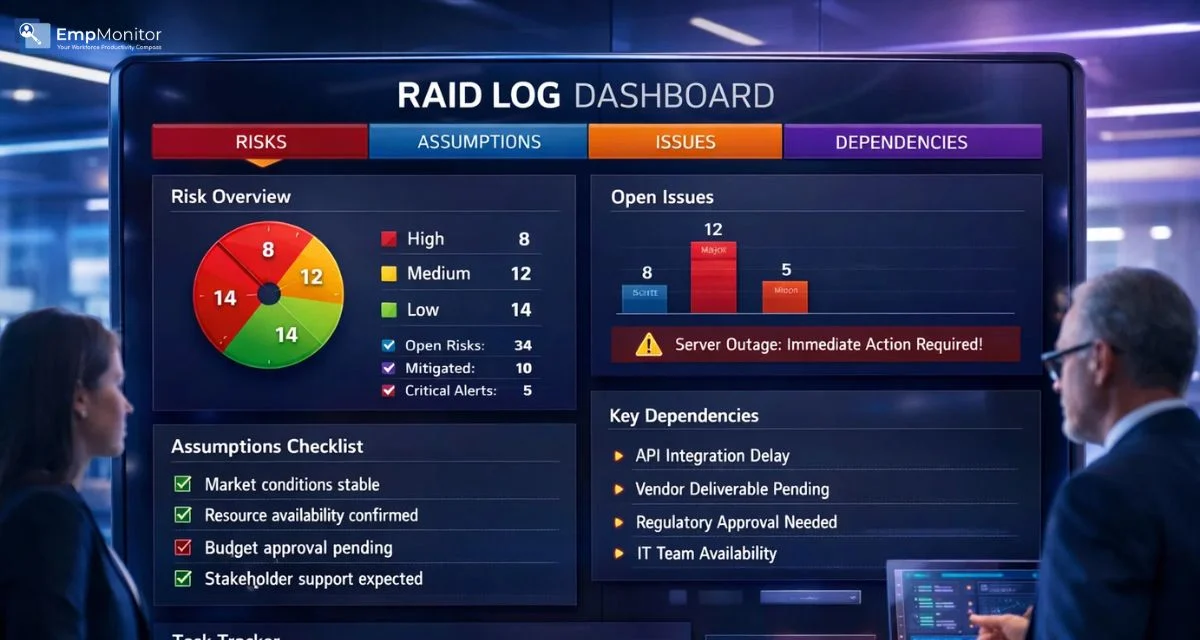
What is a Raid Log?
A RAID log is a valuable project management tool designed to help professionals track critical factors that can affect project outcomes. The acronym RAID stands for Risks, Assumptions, Issues, and Dependencies. Each of these elements plays a significant role in ensuring that projects stay on track and align with established objectives.
Risks are potential events or conditions that raid log could negatively impact project success. By identifying them early, project managers can devise strategies to mitigate these risks. Assumptions refer to the believed facts about the project that are taken for granted, such as resource availability or team capabilities. Documenting these assumptions helps in validating the project plan and ensuring that all stakeholders share a common understanding.
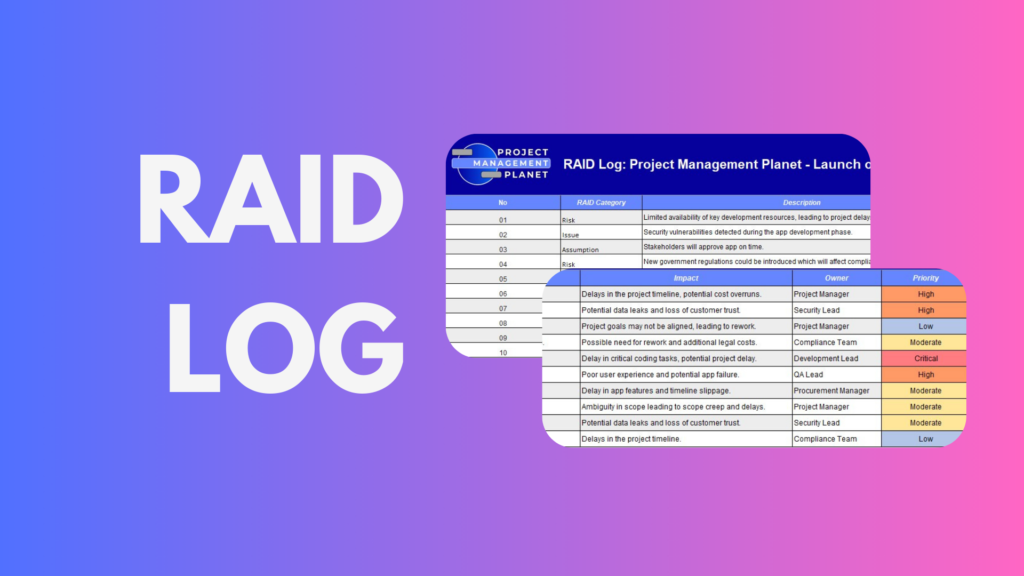
Issues are existing problems that require immediate attention. These could arise from various sources and, if not resolved promptly, can derail project timelines. The RAID log facilitates tracking these issues, assigning responsibilities for resolution, and prioritizing them based on their urgency and impact.
Dependencies are the relationships between tasks that affect the scheduling of project activities. Understanding these dependencies ensures that project managers can effectively allocate resources and manage timelines. The RAID log consolidates all this information in one place, providing a comprehensive overview that is crucial for informed decision-making.
By utilizing a RAID log, project managers can maintain oversight of essential elements that contribute to project success. It fosters communication among team members, allowing for proactive management of risks and issues, thereby improving the likelihood of achieving project goals.
Importance of a Raid Log in Project Management
raid log The implementation of a raid log is an essential practice in various project management methodologies, serving as a foundational tool for effective project oversight. A raid log, which stands for Risks, Assumptions, Issues, and Dependencies, provides a structured framework to capture critical elements that can influence the outcome of a project. By documenting these components, project managers are better equipped to identify potential risks early, facilitating proactive risk management and mitigation strategies.
One of the primary benefits of maintaining a raid log is the enhancement of communication among stakeholders. As projects often involve multiple teams and individuals with differing priorities and perspectives, a centralized repository of information helps ensure that everyone is on the same page. This clarity is crucial for decision-making processes, as stakeholders can easily reference the log to understand the current project landscape, including any ongoing issues or anticipated risks that may affect timelines and deliverables.
Furthermore, neglecting to maintain a can lead to significant consequences, potentially jeopardizing the success of a project. Without a formal method for tracking risks and issues, project managers may miss critical warning signs that indicate a project is veering off course. This lack of awareness can result in unexpected challenges that are not addressed in a timely manner, leading to delays, budget overruns, or incomplete project objectives. Therefore, a raid log is not merely an administrative task; it is a vital aspect of project management that directly impacts the effectiveness and efficiency of project execution.
How to Create and Maintain a Raid Log
Creating and maintaining a is essential for effective project management. A well-structured raid log captures important information about risks, actions, issues, and decisions pertinent to a project. To establish a raid log, the first step involves determining the structure. A common approach includes categorizing entries based on four main components: Risks, Actions, Issues, and Decisions (RAID). This structured framework allows for clear communication among team members about each project’s status.
When deciding on the format for the raid log, consider whether a digital or manual approach best suits your team’s needs. Digital logs promote easier access, facilitate collaboration, and allow for real-time updates, making tools like spreadsheets or specific project management software ideal. Conversely, manual logs, while typically less efficient for large teams, could be suitable for smaller groups or simpler projects where portability is key.
Once the format is chosen, establishing a regular update schedule is crucial. Define how frequently the will be reviewed and updated, whether daily, weekly, or bi-weekly. This frequency is vital to keeping information current and ensuring that team members remain informed about any emerging risks or issues. Involving the entire team in this process enhances accountability and promotes a culture of transparency regarding project progress.
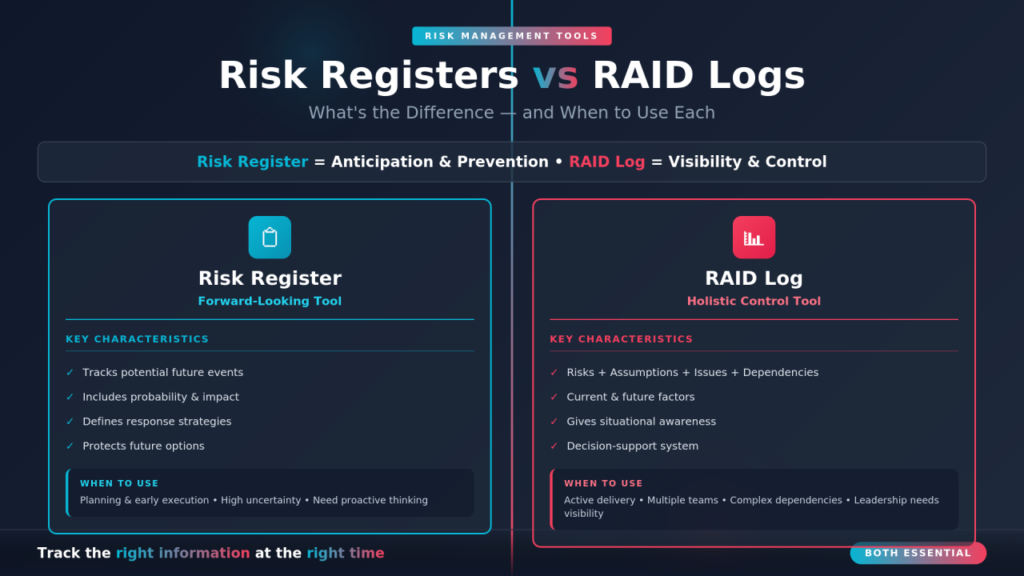
Best practices for maintaining an effective raid log include periodic reviews with stakeholders to discuss the entries, which reinforces accountability and keeps the team aligned with project goals. Additionally, ensure that the log is easily accessible to all team members, thereby fostering proactive identification of potential challenges. A well-maintained raid log serves as a valuable resource for current and future projects, enabling teams to learn from past experiences and make informed decisions moving forward.
Tools for Managing Raid Logs
In the realm of project management, effective management of RAID logs—covering Risks, Assumptions, Issues, and Dependencies—can substantially influence project success. By leveraging the right tools, teams can enhance communication, monitor developments, and streamline decision-making processes. Numerous project management software options are available, each offering unique functionalities tailored to assist organizations in managing their RAID logs efficiently.
One widely recognized tool is Microsoft Project. This comprehensive software allows project managers to create and maintain detailed RAID logs alongside project timelines. Its robust capabilities enable users to track potential risks and issues systematically, but it may have a steep learning curve for new users.
Another popular option is Trello, which operates on a visual task management system using cards and boards. Users can create separate boards for each RAID logo category, making it easier to visualize and prioritize items. While Trello excels in simplicity and user-friendliness, it may lack advanced reporting features that other tools provide.
Asana stands out as another effective platform, known for its collaborative features that promote transparency among team members. It allows users to assign tasks related to risks and issues, thus ensuring accountability. However, its extensive capabilities might be overwhelming for smaller projects.
For those who prioritize cost-effectiveness, Google Sheets or Excel can be customized to maintain RAID logs. Although these tools may lack some features of dedicated software, they offer flexibility and are readily accessible. Custom templates can enhance their functionality, enabling effective monitoring and management.
Organizations vary in their approach to utilizing these tools, often selecting a combination that aligns with their workflow. For instance, a tech company might select Asana for collaboration while maintaining a detailed RAID log in Excel for in-depth analysis. By carefully choosing and utilizing appropriate tools, teams can significantly enhance their project management outcomes and ensure comprehensive monitoring of vital project elements.
