

Learn how a simple bmi calculator helps you understand your body health. Check your score, see easy tips, and track your fitness today!
Have you ever wondered if your body weight is in a healthy range? Keeping track of your wellness is a great way to live a happy and active life. Today, many people use a simple tool called a bmi calculator to check their body status quickly. You do not need any fancy tools or expensive tests to get started. All you need are a few basic numbers like your height and weight. This guide will show you everything you need to know about understanding your body mass index in a fun and very easy way.
Table of Contents
What Is a BMI Calculator and Why Does It Matter?
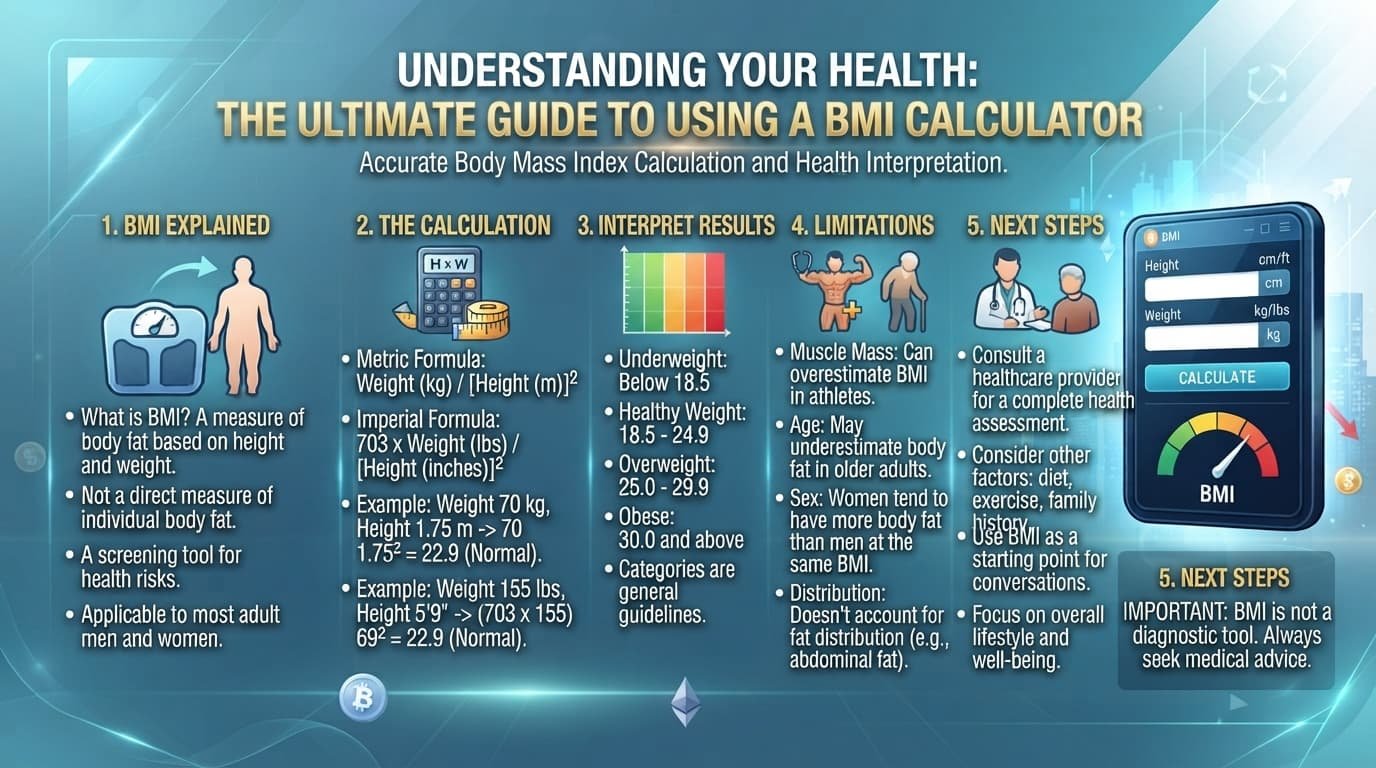
A bmi calculator is a handy online tool or formula that looks at your height and weight. It gives you a specific score that helps tell if you are underweight, at a normal weight, overweight, or obese. While it is not a direct measure of your body fat, doctors and fitness experts use it as a fast starting point. Knowing your number helps you see if you need to make changes to your daily meals or physical activities. It acts like a quick mirror for your general body health.
How to Calculate Your Body Mass Index Step-by-Step
Using a bmi calculator is super easy once you know your exact numbers. First, grab a measuring tape to find your height in inches or centimeters. Next, step on a scale to check your weight in pounds or kilograms. Most digital tools do all the heavy math for you in seconds. If you want to do the math yourself, the standard formula divides your weight by your height squared. Entering your correct stats ensures the results you get are accurate and truly helpful.
Exploring the BMI Categories: Underweight to Obesity
Once you plug your details into a bmi calculator, you will get a score that falls into one of four main groups. A score below 18.5 means you might be underweight and need more nutritious food. A score between 18.5 and 24.9 is considered a healthy normal weight range. If your score lands between 25 and 29.9, it falls into the overweight category. Anything 30 or higher is labeled as obese. Each group gives you a clue about how to adjust your lifestyle.
The Benefits of Tracking Your Weight Regularly
Checking your numbers with a bmi calculator every few months keeps you aware of sudden weight changes. Life gets busy, and it is easy to gain or lose weight without noticing right away. Regular tracking lets you catch small changes before they turn into bigger health worries. It also helps you celebrate small fitness wins, like staying in your ideal target zone. Making this a monthly habit keeps you motivated to eat well and stay active.
Common Myths and Misconceptions About Body Mass Index
Many people believe a bmi calculator tells the whole story about physical fitness, but that is a big myth. For example, athletes with lots of muscle often get a high score even if they have very low body fat. Muscles weigh much more than fat tissue, which can trick the basic formula. Also, the tool does not account for your age, gender, or bone structure. Always remember that your score is just a helpful guide, not a final medical diagnosis.
Combining Your Score with Healthy Eating Habits
Knowing what your bmi calculator score is should inspire you to eat fresh and wholesome foods. Fill your daily plate with colorful fruits, crisp vegetables, lean proteins, and whole grains. Drinking plenty of water throughout the day also boosts your energy and keeps your metabolism running smoothly. Avoid eating too many sugary snacks or greasy fast foods that make you feel tired. Small and steady changes to your diet lead to long-lasting wellness results.
Staying Active: Fitness Tips for Every Body Type
Physical movement is a great partner when you use a bmi calculator to monitor your health. You do not need to spend hours in a gym to stay fit and strong. Simple activities like brisk walking, riding your bicycle, or dancing in your room work wonders. Try to get at least thirty minutes of fun movement every single day. Staying active helps build strong muscles, keeps your heart healthy, and puts a big smile on your face.
Understanding Limitations: When to Talk to a Doctor
While a bmi calculator is a wonderful tool for daily self-checks, it has clear limits. If you ever feel worried about your weight or general health, you should talk to a professional doctor. Medical experts look at the bigger picture, including your family history and blood tests. They can give you personalized advice that fits your unique body needs. Never make major diet changes based on an online score alone without expert guidance.
Biography & Body Health Overview Table
| Metric Category | Standard Range / Details | Why It Matters |
| Underweight | Below 18.5 | May signal a need for more nutrient-dense foods. |
| Normal Weight | 18.5 to 24.9 | Associated with a lower risk of chronic health issues. |
| Overweight | 25.0 to 29.9 | Suggests evaluating daily physical activity and diet choices. |
| Obese | 30.0 and Above | Indicates a higher health risk requiring lifestyle adjustments. |
| Measurement Tool | Height and Weight | The two core inputs required for any accurate index score. |
| Primary Purpose | Wellness Tracking | Acts as an easy initial screening tool for body composition. |
Frequently Asked Questions (FAQs)
1. How does a bmi calculator work?
A bmi calculator takes your height and weight measurements and applies a mathematical formula to estimate your body mass index score.
2. Is a high score always a bad sign?
Not always! People with a lot of muscle mass, like weightlifters, often get a high score because muscle weighs more than fat.
3. How often should I check my numbers?
Checking your score once a month or every few months is a great way to monitor steady changes in your weight and fitness level.
4. Can children use this tool?
Children grow very fast, so special growth charts used by pediatricians are much better for tracking kids than a standard adult tool.
5. What are the main weight categories?
The main groups are underweight, normal weight, overweight, and obesity, each helping you understand your general body status.
6. Do I need special equipment to check my index?
No, you only need a weighing scale, a measuring tape, and an internet connection or simple math formula to find your score.
Conclusion
Taking charge of your wellness journey starts with understanding your body in a simple and stress-free way. Using a reliable bmi calculator gives you a quick snapshot of where you stand today. Remember that your score is just one helpful piece of a much bigger health puzzle. Combine good food habits, daily fun movement, and a positive mindset to feel your absolute best. Why not check your numbers right now and take your first step toward a healthier lifestyle?
