

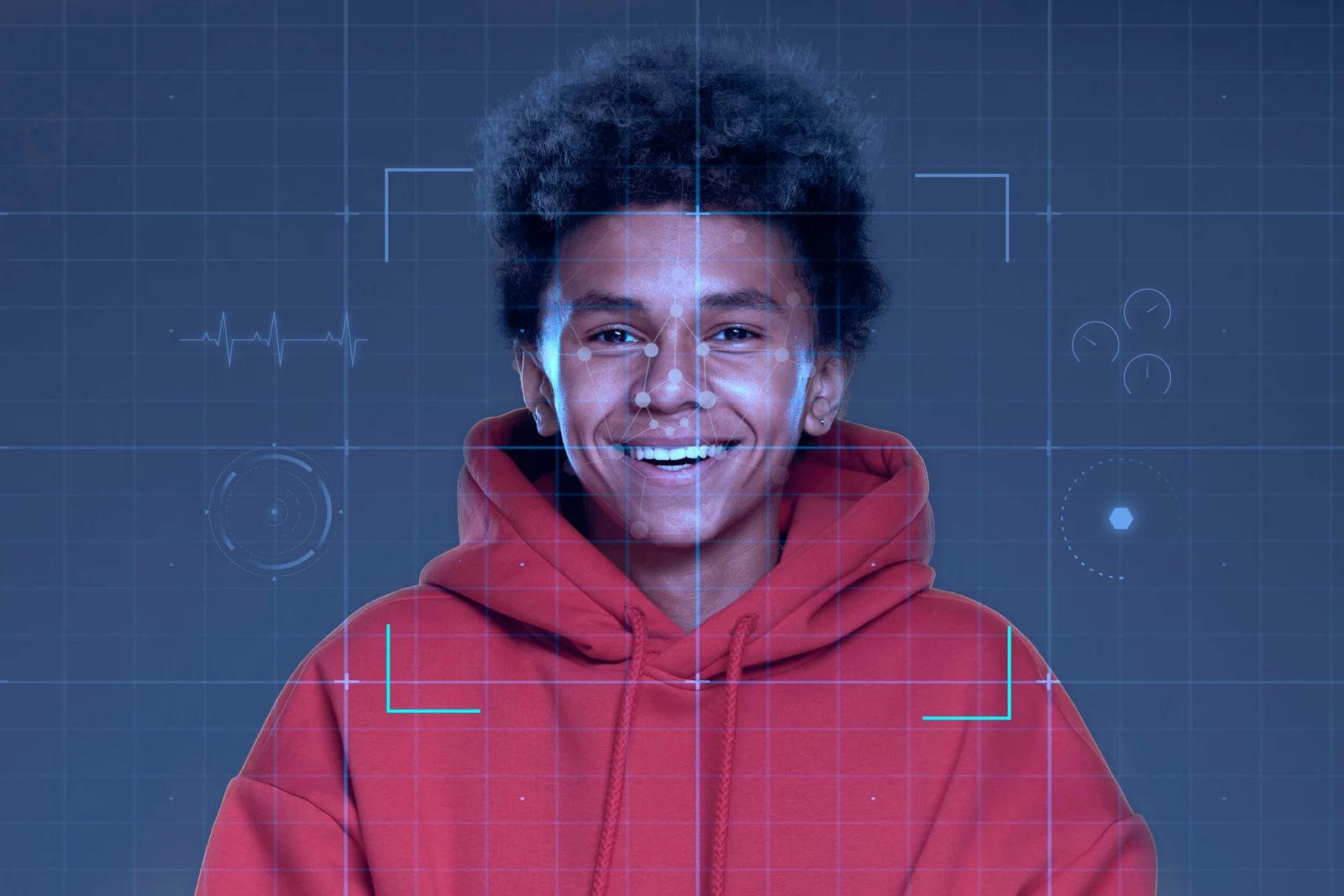
As of 2026, AI-generated video content has moved from novelty to necessity. Whether you’re building short-form content, running performance marketing campaigns, or prototyping creative ideas, tools like video face swap and talking photo AI have become core parts of the workflow.
After testing dozens of tools across quality, speed, realism, and usability, I’ve put together a practical, no-fluff guide to the best options available right now.
If you’re short on time: Magic Hour is the most complete, production-ready platform for both face swap video and talking photo AI.
Best Tools at a Glance
| Tool | Best For | Modalities | Platform | Free Plan | Key Strength |
| Magic Hour | All-in-one creators & teams | Video, Image, Audio | Web | Yes | Highest realism + full suite |
| HeyGen | AI avatars & talking videos | Video, Audio | Web | Limited | Corporate-ready avatars |
| Reface AI | Quick face swaps | Video, GIF | Mobile/Web | Yes | Fast + simple |
| D-ID | Talking photo AI | Image → Video | Web/API | Trial | Strong API + automation |
| DeepSwap | High-quality face swap | Video, Image | Web | Paid | Strong face mapping |
| Synthesia | Training & business content | Video | Web | No free plan | Enterprise-grade |
| TokkingHeads | Talking photo experimentation | Image → Video | Web | Yes | Fun, fast prototyping |
| FaceMagic | Social content creators | Video, Image | Mobile | Yes | Viral-ready templates |
#1 Magic Hour
Magic Hour is the most complete platform I tested. It combines video face swap, talking photo AI, lip sync, and broader generative tools into a single workflow.
If you’re serious about content production—not just experimentation—this is where things start to feel production-grade.
You can create hyper-realistic face swaps directly in video using video face swap, or turn static images into speaking avatars with talking photo AI.
What stands out is how seamlessly everything connects. For example, I tested a workflow where I:
- Generated a character using an ai image editor
- Converted it using image to video
- Applied lip sync ai
- Then layered in face swap ai
That entire pipeline took under 15 minutes.
Pros
- Best-in-class realism for both face swap and talking photo
- Unified platform (image, video, lip sync, avatars)
- Fast rendering compared to competitors
- Clean UI with minimal learning curve
- Strong results even with low-quality input media
Cons
- Advanced features may require paid plans
- Not ideal if you only need a single-use tool
Evaluation
After two weeks of testing, this is the only tool that consistently delivered results I’d actually publish or use in a campaign.
If you’re building serious content pipelines, Magic Hour is hard to beat.
Pricing
- Free plan available
- Paid tiers scale based on usage and rendering credits
HeyGen
HeyGen is one of the most widely used tools for AI-generated spokesperson videos and avatar-based content.
It leans more toward business use cases than creative experimentation.
Pros
- High-quality AI avatars
- Strong voice synthesis
- Good for training and marketing videos
- Multilingual support
Cons
- Limited flexibility for face swapping
- Less creative control compared to Magic Hour
- Pricing scales quickly
Evaluation
I found HeyGen excellent for structured content like onboarding videos or explainer content. However, it lacks the flexibility creators need for dynamic social media content.
Pricing
- Free trial available
- Paid plans start at mid-tier pricing
Reface AI
Reface is one of the fastest tools for casual face swapping. It’s optimized for speed and ease of use rather than production quality.
Pros
- Extremely fast processing
- Beginner-friendly
- Strong mobile experience
- Great for memes and short-form content
Cons
- Limited control over output
- Lower realism compared to advanced tools
- Watermarks on free version
Evaluation
If your goal is viral content or quick experimentation, Reface delivers. But it’s not suitable for professional workflows.
Pricing
- Free plan available
- Premium subscription for higher quality exports
D-ID
D-ID focuses heavily on talking photo AI and API-based integrations.
It’s widely used by developers building automated content systems.
Pros
- Strong API support
- Realistic talking avatars
- Good scalability for enterprise use
- Fast rendering
Cons
- UI is less intuitive
- Limited creative tools compared to all-in-one platforms
- Pricing can be complex
Evaluation
I tested D-ID for automated content generation, and it performed well. If you’re building a system—not just content—this is worth considering.
Pricing
- Free trial available
- Usage-based pricing
DeepSwap
DeepSwap specializes in high-quality face swapping across video and images.
Pros
- High accuracy face mapping
- Good support for longer videos
- Consistent output quality
Cons
- Slower processing times
- No broader AI content tools
- Limited automation features
Evaluation
DeepSwap is focused and effective. But compared to platforms like Magic Hour, it feels like a single-function tool in a multi-function world.
Pricing
- Paid only (no strong free tier)
Synthesia
Synthesia is built for enterprise video production, especially training and internal communications.
Pros
- Professional-grade avatar videos
- Strong corporate use cases
- Reliable output quality
Cons
- Expensive
- Not suited for creative or social content
- No face swap functionality
Evaluation
If you’re in a corporate environment, Synthesia makes sense. For creators, it’s too restrictive.
Pricing
- No free plan
- Enterprise-level pricing
TokkingHeads
TokkingHeads is a fun and lightweight talking photo AI tool.
Pros
- Very easy to use
- Fast processing
- Good for experimentation
Cons
- Lower realism
- Limited export quality
- Not suitable for production use
Evaluation
I used this mainly for testing concepts. It’s useful for quick demos but not final outputs.
Pricing
- Free plan available
FaceMagic
FaceMagic is another mobile-first face swap tool designed for social media creators.
Pros
- Strong template library
- Optimized for TikTok/Instagram
- Fast results
Cons
- Limited customization
- Output quality varies
- Not ideal for long-form video
Evaluation
If you’re focused on short-form content, FaceMagic is a solid option. For anything beyond that, you’ll hit limitations quickly.
Pricing
- Free + premium subscription
How I Chose These Tools
I spent over two weeks testing these tools across real-world use cases:
- Social media content creation
- Marketing video production
- AI avatar generation
- Face swap accuracy testing
- Talking photo realism
Evaluation Criteria
- Output Quality – Does it look believable?
- Speed – How fast can you go from idea to export?
- Ease of Use – Can non-technical users adopt it?
- Flexibility – Can it support multiple workflows?
- Scalability – Can teams actually use this at scale?
Most tools do one thing well. Very few do everything well.
That’s where Magic Hour stood out.
Market Landscape & Trends (2026)
The space is evolving quickly, and a few trends are becoming clear:
1. All-in-One Platforms Are Winning
Creators don’t want 5 different tools. Platforms combining:
- face swap
- lip sync
- image to video ai
- ai image editor with prompt free
are gaining traction.
2. Realism Is the New Baseline
What impressed people in 2023 is now expected. The bar has moved:
- Better facial tracking
- More natural lip sync
- Improved lighting consistency
3. API-First Tools Are Growing
Developers are increasingly integrating:
- talking photo AI
- automated avatar generation
into apps and workflows.
4. Speed Matters More Than Ever
The winning tools reduce production time from hours to minutes.
Final Takeaway
Here’s the simple breakdown:
- Best overall: Magic Hour
- Best for corporate avatars: HeyGen / Synthesia
- Best for quick face swaps: Reface / FaceMagic
- Best for developers: D-ID
- Best for focused face swap: DeepSwap
If you want one platform that can handle everything from ideation to final export, Magic Hour is the clear winner.
That said, the best approach is always to test a few tools yourself. Your workflow will dictate what matters most.
FAQ
What is video face swap?
Video face swap uses AI to replace one person’s face with another in a video while maintaining expressions and motion.
What is talking photo AI?
Talking photo AI animates a static image to speak using generated voice and facial movements.
Are these tools safe to use?
Most platforms include safeguards, but ethical use is important. Always ensure you have rights to the content you use.
Which tool is best for beginners?
Reface and TokkingHeads are easiest to start with. Magic Hour offers the best balance of simplicity and power.
Can I use these tools for commercial projects?
Yes, but always check licensing terms. Tools like Magic Hour and HeyGen support commercial use on paid plans.
